What Is an EV, and How Can It Help You Save the Planet?
In 2024, the electric vehicle (EV) market is more diverse than ever! Plenty of car manufacturers offer electric-powered alternatives, and buyers now have more options than there is time to browse. However, these vehicles weren’t always so readily available.
Look at the EV market a decade ago, and the statistics paint an entirely different picture. According to the International Energy Agency, only 130,000 electric cars were sold around the globe in 2012; this amount is now sold in a week!
Today, an estimated 16 million electric cars are on the road worldwide. With consistent improvements in manufacturing, the UK government predicts that, by 2050, an EV will produce over 80% fewer emissions than an equivalent petrol vehicle.
Discover more about the positive impact of electric vehicles with Project Solar.
What is an electric vehicle?
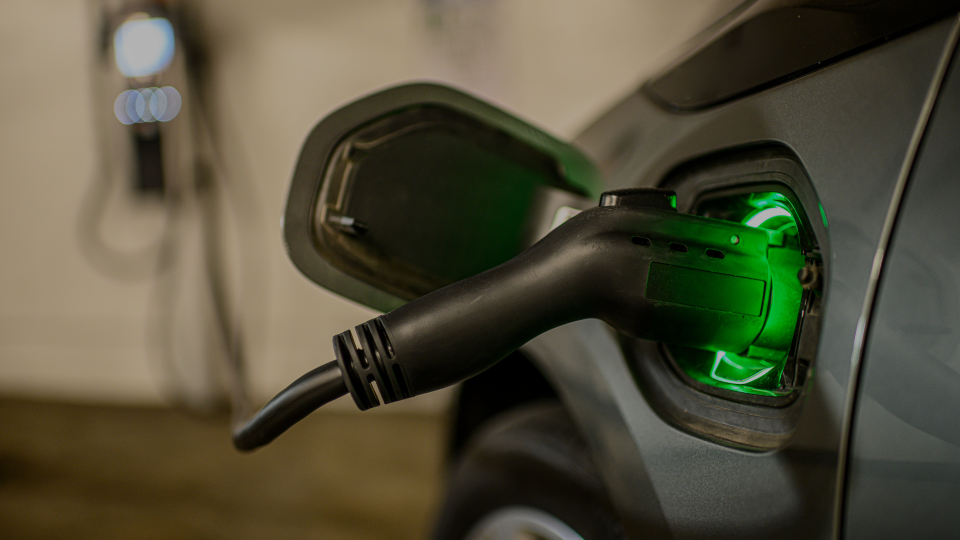
An electric vehicle (EV) is a type of car or van that is powered entirely by electricity rather than traditional fuels like petrol or diesel. EVs use large rechargeable batteries to store electrical energy, which is then used to power an electric motor that drives the car’s wheels.
These batteries are typically charged by plugging the car into a home charging point or a public charging station. Unlike traditional cars that use combustion engines, EVs don’t produce emissions while driving.
Electric vehicles can come in several forms. Battery electric vehicles (BEVs) rely solely on batteries, whereas plug-in hybrids (PHEVs) combine a small traditional engine with an electric motor.
Is it worth buying an electric car in the UK now?
The decision to purchase an electric vehicle will depend on your budget, lifestyle and location.
While they often have higher up-front costs than traditional cars, EVs have lower, long-term running costs. They’re environmentally friendly, convenient, and can help heal our planet in several ways.
-
Reduced emissions
The European Environment Agency (EEA) found that ‘average CO2 emissions from all new cars registered in Europe in 2023 continued to decrease and were 1.4% lower than in 2022’.
As EVs run on electricity stored in batteries, they produce no tailpipe emissions at all.
They play a particularly important role in minimising the UK’s carbon footprint, largely because transportation accounts for a large portion of total CO2 emissions (26%, to be exact!)
Of course, the manufacturing of EVs does produce emissions, particularly in the production of batteries. However, over the lifetime of the vehicle, EVs are still far cleaner than petrol or diesel cars, even when factoring in battery production.
-
Less expensive fuel
The cost of petrol and diesel can be a major financial burden on drivers, and fuel prices continue to fluctuate worldwide. Recent statistics from the RAC have revealed the cost of petrol and diesel per litre:
| UK-wide | Motorway service areas | |
| Unleaded | £1.34 | £1.58 |
| Diesel | £1.39 | £1.63 |
In contrast, the average price of electricity in the UK is currently 23.4 p/kWh (as of September 2024).
Therefore, fully charging a 60kWh battery EV (which offers around 200 miles of range) would typically cost between £10 and £18, depending on the energy tariff.
Even public charging can be more affordable than refuelling with petrol or diesel. While rapid chargers cost more than charging at home, they still provide a cheaper alternative to traditional fuels!
-
Noise pollution
Electric motors are much quieter than internal combustion engines. The difference in noise levels is particularly noticeable in urban areas, especially when driving at lower speeds.
They also produce minimal noise when starting, accelerating, or driving at city speeds, which makes them great for keeping neighbourhoods and residential areas quiet.
-
At-home charging opportunities
EVs can be charged at home using an electric vehicle charging point.
These domestic and commercial chargers can repower your battery overnight or during off-peak times (these are periods of lower demand, where homeowners may be able to save money on electricity).
Home chargers are often installed as dedicated units and provide a higher level of power than a standard household socket. Usually equipped with 7kW and 22kW of power, they can charge most electric cars within 6–10 hours.
For those who don’t have off-street parking or access to a private driveway, there are growing numbers of street-side chargers being installed across UK cities to give drivers more accessible charging options.
Join the Solar Takeover with Project Solar!
Electric vehicles can be a great way for drivers to make the sustainable switch. But if you don’t drive and are still looking to join the UK’s journey to Net Zero, why not invest in solar panels?
Our domestic and commercial solar systems are one of the most popular ways to get started. Contact us today to learn more about what we offer.