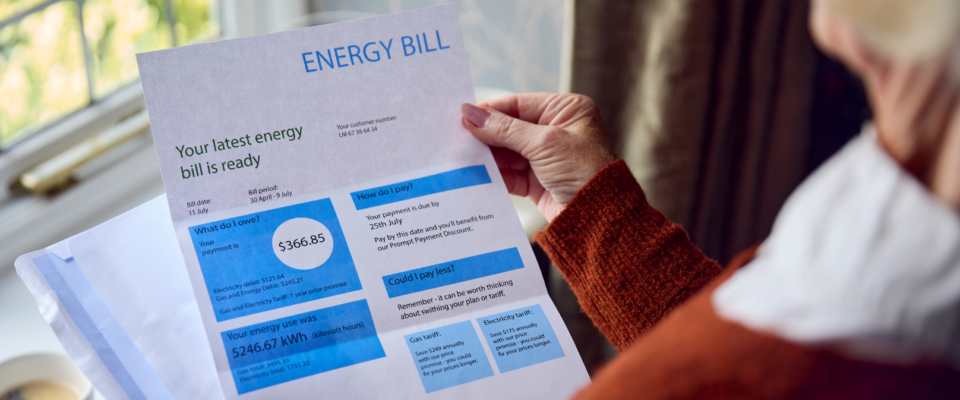
From 1st January 2026, the UK’s energy price cap will rise again, increasing average household bills at a time when energy costs are already eating into monthly budgets. While the price cap is intended to offer some protection, it still leaves many families vulnerable to higher costs as the new year begins.
So, what does the energy price cap actually mean for your household, and how can solar panels help reduce your long-term reliance on the grid?
What Does the Energy Price Cap Mean?
The energy price cap is a limit set by Ofgem, the UK’s energy regulator, on how much energy suppliers can charge per unit of gas and electricity for customers on default or standard variable tariffs. It doesn’t cap your total bill, but it does limit the unit rate and standing charges energy companies can apply.
From 1st January 2026, the energy price cap will rise slightly to £1,758 per year for a typical dual-fuel household paying by Direct Debit. An increase of 0.2% compared to the cap set for the previous quarter (October to December 2025), which was £1,755.
While the increase is modest, it still reflects ongoing volatility in wholesale energy markets, driven by global supply pressures and infrastructure costs. And although the price cap is designed to limit supplier profit margins, it doesn’t protect households from rising market prices, making energy bills feel increasingly unpredictable for many.
How Does the Price Cap Impact You?
Around 29 million households in the UK are affected by the energy price cap, particularly those not on a fixed-rate tariff. If you’re on a standard variable tariff, you’ll likely see a rise in your energy bills from January onwards, with winter usage amplifying the impact.
Although wholesale prices dropped earlier in 2025, the January 2026 increase reflects new market volatility, pushing energy costs back up again. And while the price cap moves every quarter, many homeowners are growing frustrated by the lack of long-term control.
That’s why more people are looking for permanent solutions, including solar energy, to cut bills and protect against future rises.
How to Deal with Rising UK Energy Bills
If you’re worried about your energy bills in the UK heading into 2026, you’re not alone. Many households are facing difficult decisions, especially with higher winter usage driving up costs.
The good news is that solar energy offers a practical and effective way to reduce your exposure to unpredictable energy prices.
How to Deal with Rising UK Energy Bills
Installing solar panels allows you to generate your own electricity, reducing your reliance on expensive grid power. Instead of being at the mercy of quarterly price cap changes, you can take control of your home’s energy supply.
A typical 4kW solar PV system in the UK can save households between £500 and £800 per year on electricity bills, depending on factors like energy usage, location, and whether you use a solar battery to store excess power.
With the energy price cap rising again in 2026, these savings are becoming even more valuable, especially during winter, when household consumption is at its peak. For homeowners concerned about winter output, your solar system remains highly effective all year round – discover the facts about solar panels in winter in our guide.
You can also avoid paying the highest rates during evening peak times by using stored solar power instead of drawing from the grid. And with electricity prices likely to remain volatile, the return on investment for solar is only improving.
A Smart Investment For Your Future
The January 2026 energy price cap rise is a reminder that energy costs are out of your control, unless you make a change. By investing in solar panels, you gain energy independence, reduce your carbon footprint, and protect your household from unpredictable price hikes.
Project Solar systems are designed for year-round performance in the UK, including the low-light conditions of winter. That means you can still generate clean, renewable energy, even when daylight hours are shorter.
Speak to our team today for a personalised quote, or answer a few quick questions to see how much solar energy could save your home.